


Michael Venezia
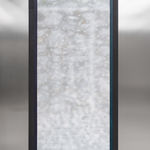
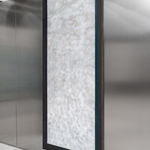
Untitled JS16, 1968
Acrylic and metal powder on canvas
246 x 117 x 3 cm
96 7/8 x 46 x 1 1/8 inches
96 7/8 x 46 x 1 1/8 inches
Copyright The Artist
Photo: Dirk Tacke
Further images
-
(View a larger image of thumbnail 1
)
-
(View a larger image of thumbnail 2
)

-
(View a larger image of thumbnail 3
)
-
(View a larger image of thumbnail 4
)
-
(View a larger image of thumbnail 5
)
-
(View a larger image of thumbnail 6
)
-
(View a larger image of thumbnail 7
)
-
(View a larger image of thumbnail 8
)
-
(View a larger image of thumbnail 9
)
Venezias Interesse gilt der Reduktion von Gestik in der Malerei auf das Wesentliche und so entwickelt er bereits in den 1960er Jahren Bildverfahren mit Sprühpistolen, für deren Verwendung er als...
Venezias Interesse gilt der Reduktion von Gestik in der Malerei auf das Wesentliche und so entwickelt er bereits in den 1960er Jahren Bildverfahren mit Sprühpistolen, für deren Verwendung er als Wegbereiter gilt. Venezia verwendete dafür eine Emulsion aus Aluminiumpigmenten und Acrylfarbe, die er mittels Sprühpistole auf die Leinwand aufträgt.
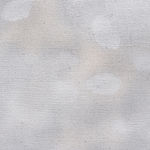
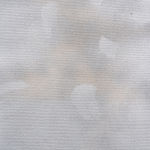
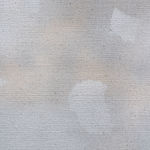
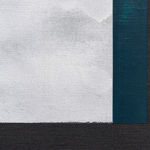
In den großformatigen Gemälden „Untitled JS16“ (1968) und „Untitled CVE“ (1967) bearbeitet er die Leinwand in mehreren Stufen mit dieser Technik, sodass in der Bildmitte der Eindruck eines Pigmentnebels entsteht. Je nach Umgebungslicht verändert sich durch die reflektierenden Eigenschaften der Pigmente die Wirkung der Leinwände: Die klaren Linien an den Rändern stehen dabei dem wabernden Farbauftrag in der Mitte gegenüber. Venezia erkennt in der Farbe eine materielle Qualität, die sich im Malprozess entfaltet. Er versucht nicht, sie vollständig zu kontrollieren, sondern lässt dem Spontanen bewusst Raum.
Venezia is interested in reducing gestures in painting to their essentials, and so in the 1960s he developed painting techniques using spray guns, for which he is considered a pioneer. Venezia used an emulsion of aluminum pigments and acrylic paint, which he applied to the canvas with a spray gun. In the large-format paintings "Untitled JS16" (1968) and "Untitled CVE" (1967), he worked on the canvas in several stages using this technique, creating the impression of a pigment mist in the center of the image. Depending on the ambient light, the reflective properties of the pigments change the effect of the canvases: the clear lines at the edges contrast with the wafting application of paint in the center. Venezia recognizes a material quality in the paint that unfolds during the painting process. He does not attempt to control it completely, but consciously leaves room for spontaneity.
In den großformatigen Gemälden „Untitled JS16“ (1968) und „Untitled CVE“ (1967) bearbeitet er die Leinwand in mehreren Stufen mit dieser Technik, sodass in der Bildmitte der Eindruck eines Pigmentnebels entsteht. Je nach Umgebungslicht verändert sich durch die reflektierenden Eigenschaften der Pigmente die Wirkung der Leinwände: Die klaren Linien an den Rändern stehen dabei dem wabernden Farbauftrag in der Mitte gegenüber. Venezia erkennt in der Farbe eine materielle Qualität, die sich im Malprozess entfaltet. Er versucht nicht, sie vollständig zu kontrollieren, sondern lässt dem Spontanen bewusst Raum.
Venezia is interested in reducing gestures in painting to their essentials, and so in the 1960s he developed painting techniques using spray guns, for which he is considered a pioneer. Venezia used an emulsion of aluminum pigments and acrylic paint, which he applied to the canvas with a spray gun. In the large-format paintings "Untitled JS16" (1968) and "Untitled CVE" (1967), he worked on the canvas in several stages using this technique, creating the impression of a pigment mist in the center of the image. Depending on the ambient light, the reflective properties of the pigments change the effect of the canvases: the clear lines at the edges contrast with the wafting application of paint in the center. Venezia recognizes a material quality in the paint that unfolds during the painting process. He does not attempt to control it completely, but consciously leaves room for spontaneity.